




goSouth-2 in brief
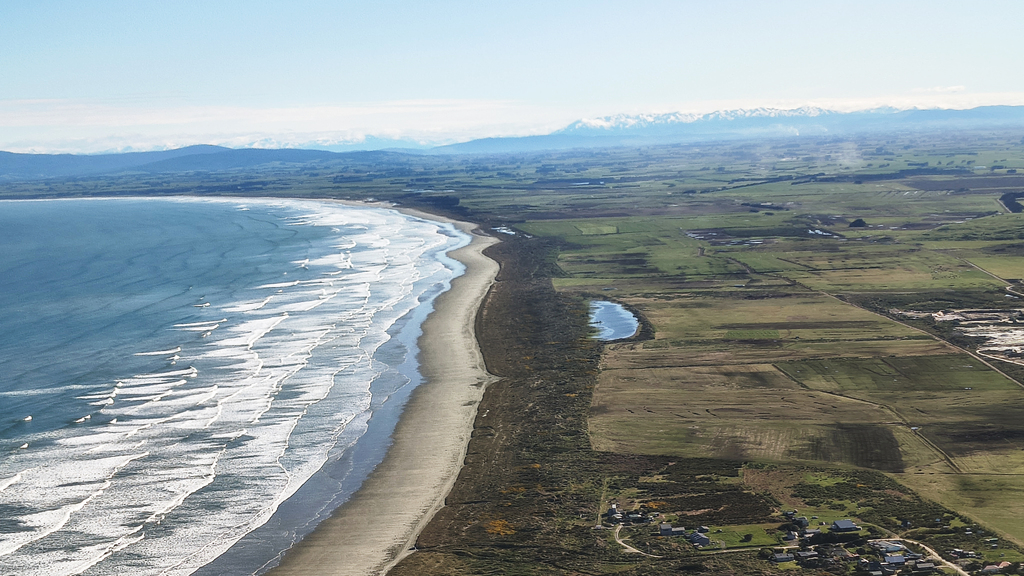
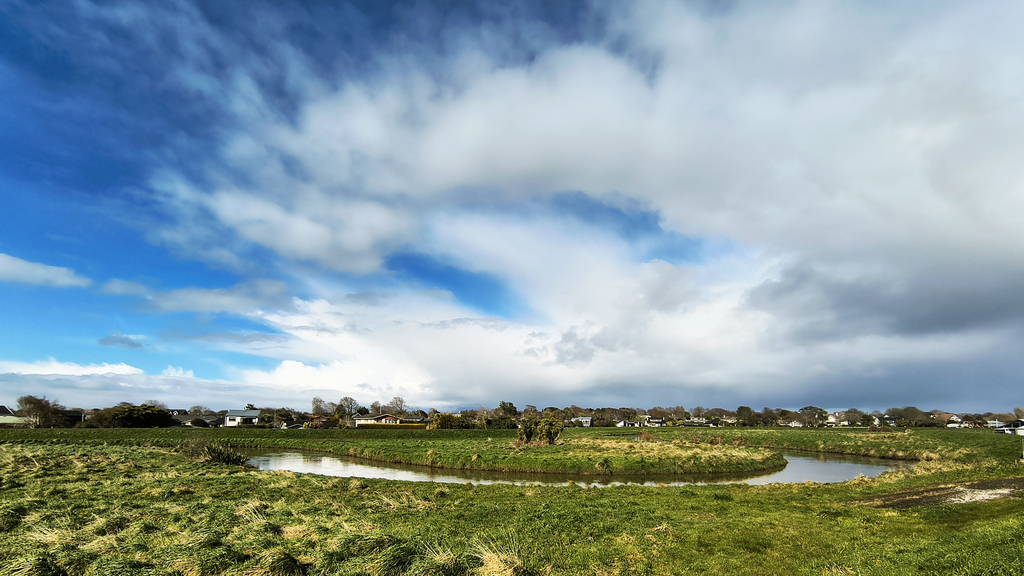
The southern tip of New Zealand at the northern edge of the Southern Ocean is a unique place to study the relationships between aerosols and clouds. The atmosphere in this region can be very clean when air masses approach from Antarctica. But the atmosphere there can also be burden with continental-sourced aerosols when air masses approach via Australia. We want to make use of these strong contrasts to learn more about how the properties of clouds respond to perturbations in the aerosol load. The related activities are running in the framework of the project goSouth-2, which is guided by the following main objectives:
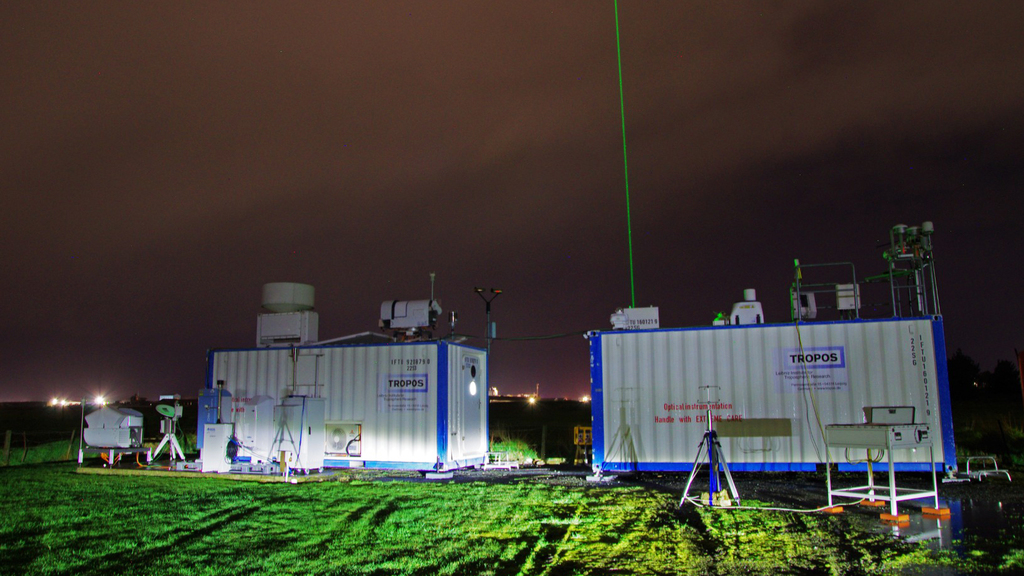
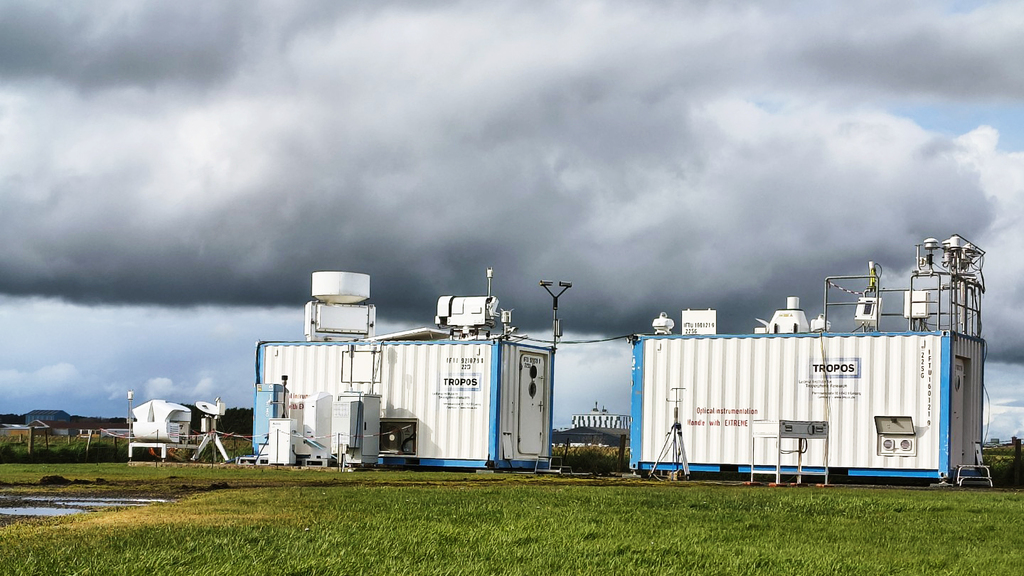
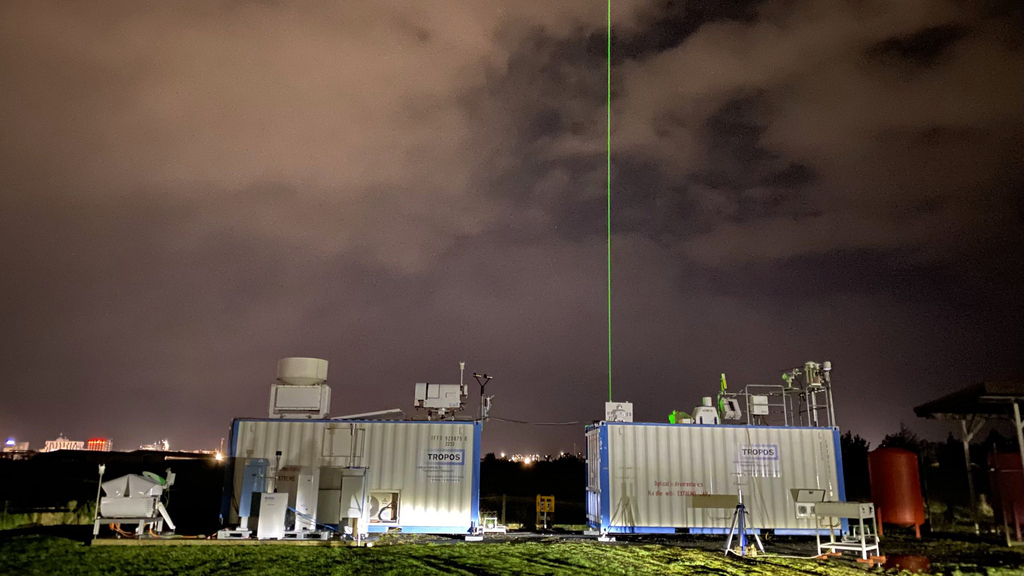
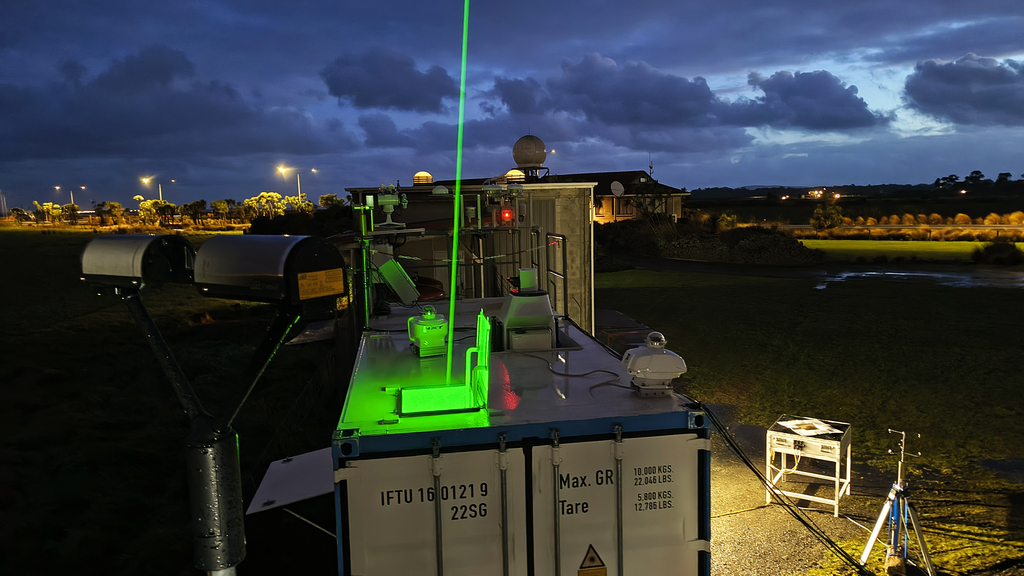
- Observations: Deploy an extensive set of remote-sensing and in-situ instrumentation for a period covering at least a full annual cycle to capture aerosols, clouds, precipitation as well as the involved atmospheric dynamics and the resulting effects on the budget of solar and terrestrial radiation of the atmosphere.
- Method developments: Development of novel observational techniques and methods for data analysis. Key for understanding the role of aerosol particles in cloud and precipitation formation is to characterize number, size and mass of the particles involved in the processes. It is still a long way to go to make this feasible with remote sensing techniques.
- Statistics: Evaluate regional and temporal contrasts of aerosol, cloud, dynamics and precipitation properties on a statistical basis. This requires the availability of long-term, quality controlled data sets.
- Collaboration: Liaise with further atmospheric research projects currently ongoing in and around New Zealand.